
Introduction
A high credit score is more than just a number — it’s a key that unlocks better financial opportunities and greater peace of mind. Whether you want to qualify for lower interest rates, get approved for loans, or access premium credit cards, building and maintaining a strong credit score is essential.
In this comprehensive guide, you’ll learn what a credit score is, why it matters, how to build a high score, and the benefits you can enjoy by mastering your credit. With practical tips and clear explanations, this article will help you take control of your financial future.
What Is a Credit Score and Why Does It Matter?
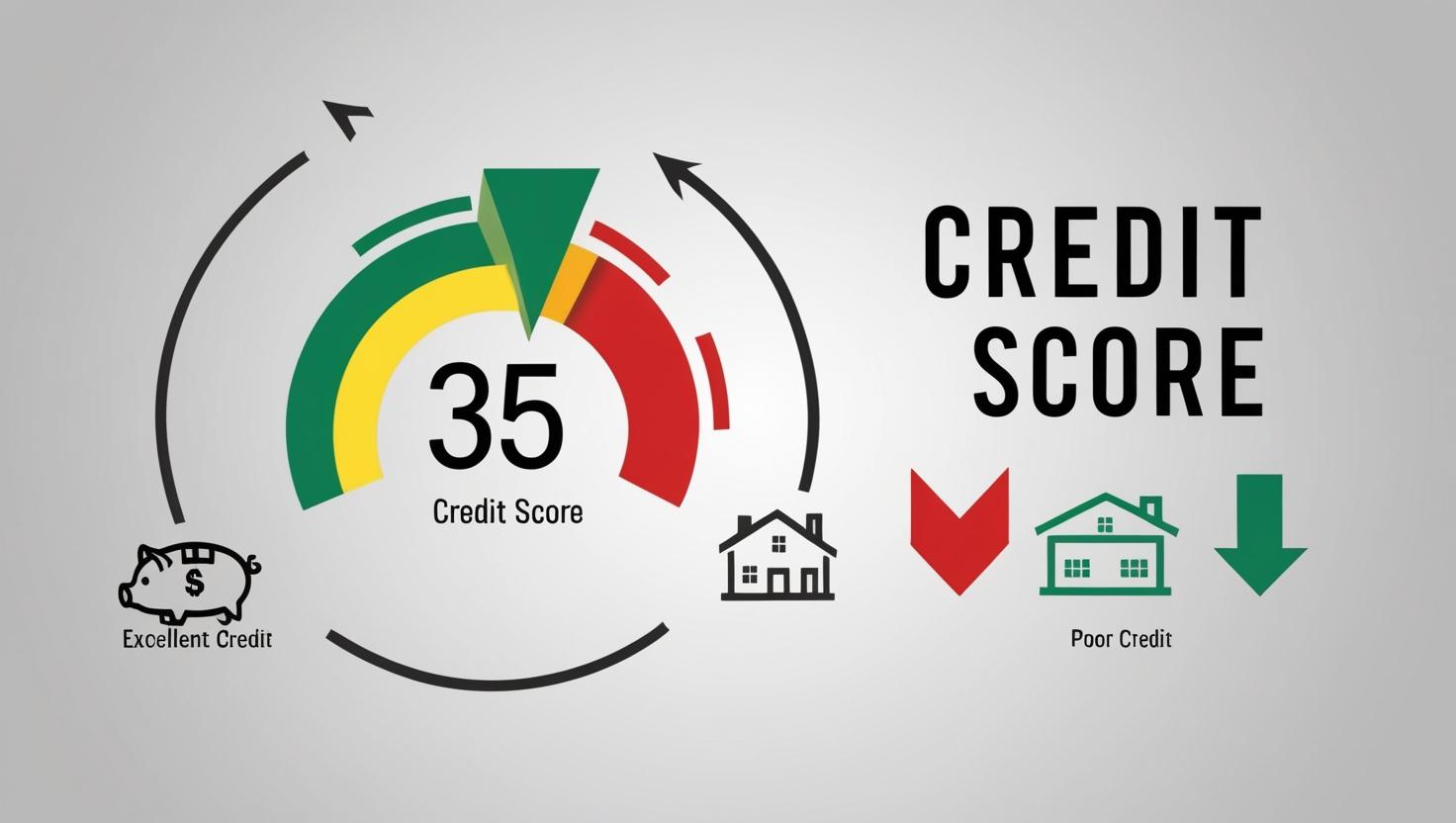
Your credit score is a numerical representation of your creditworthiness based on your credit history. It reflects how reliable you are at managing debt and repaying loans.
Why is it important?
- Loan approvals: Lenders use your credit score to decide whether to approve your applications.
- Interest rates: Higher scores often qualify you for lower interest rates, saving money.
- Credit card perks: Premium cards with rewards or cashback require good credit.
- Rental applications: Landlords may check your score before renting a home.
- Insurance premiums: Some insurers consider your score when setting rates.
How Is Your Credit Score Calculated?
The exact calculation varies by credit bureau, but it typically considers:
- Payment history (35%): Timely payments boost your score; missed payments hurt.
- Credit utilization (30%): The percentage of your available credit you’re using—keep it low.
- Length of credit history (15%): Longer histories tend to improve your score.
- New credit (10%): Opening many new accounts quickly can lower your score.
- Credit mix (10%): A healthy mix of credit types (credit cards, loans) is beneficial.
Steps to Build and Maintain a High Credit Score
1. Pay Your Bills on Time
Late payments are the biggest score killers. Set up reminders or automate payments to avoid missed deadlines.
2. Keep Credit Utilization Low
Try to use less than 30% of your available credit. For example, if you have a $10,000 limit, keep your balance under $3,000.
3. Avoid Opening Too Many New Accounts
Each credit inquiry can slightly reduce your score. Apply for new credit only when necessary.
4. Maintain a Mix of Credit Types
Having a combination of credit cards, personal loans, or mortgages can positively impact your score.
5. Check Your Credit Report Regularly
Errors on your report can hurt your score. Review reports from credit bureaus at least once a year and dispute inaccuracies.
6. Build Credit History Length
Keep older accounts open, even if you don’t use them often. A longer history helps your score.
Common Mistakes to Avoid
- Missing payments or paying late.
- Maxing out credit cards.
- Closing old credit accounts unnecessarily.
- Ignoring your credit reports.
- Applying for too many new credit lines.
Benefits of Having a High Credit Score
1. Better Loan and Mortgage Approvals
A strong score increases your chances of approval and helps secure better terms.
2. Lower Interest Rates
Pay less interest on credit cards, personal loans, and mortgages — saving you thousands over time.
3. Access to Premium Credit Cards
Enjoy rewards, cashback, travel perks, and other exclusive benefits.
4. Improved Renting Opportunities
Landlords often prefer tenants with good credit scores.
5. Lower Insurance Premiums
Some insurers offer better rates to people with higher credit scores.
Final Tips for Long-Term Success
- Be patient; building a good credit score takes time.
- Practice disciplined financial habits consistently.
- Use credit as a tool, not a crutch.
- Stay informed and keep learning about credit management.
Conclusion
Building a high credit score is a powerful step toward financial empowerment. By understanding how your credit score works and adopting smart habits, you can unlock numerous benefits that make life easier and more affordable.
Start today by reviewing your credit report, paying bills on time, and managing your credit responsibly. The rewards of a high credit score will pay off in countless ways throughout your financial journey.